
Preparing for a Safe and Successful Harvest Moon Regatta
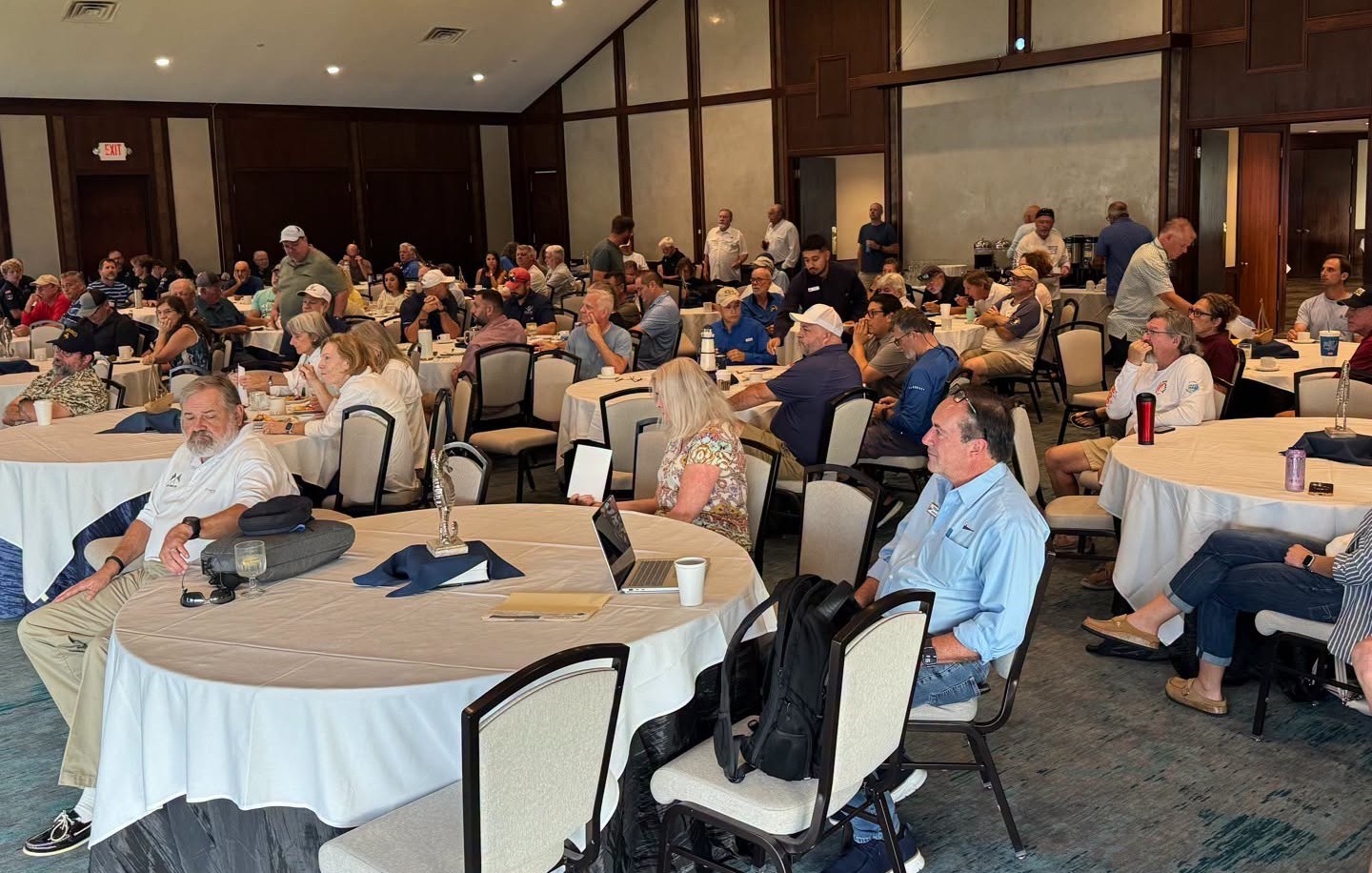
On Saturday, September 26, 2026, sailors gathered at Lakewood Yacht Club for the annual Harvest Moon Regatta Safety Day, an important event dedicated to helping competitors prepare for the challenges of offshore sailing and the upcoming Harvest Moon Regatta.
Safety Day brought together experienced sailors, marine professionals, and safety experts to share their knowledge on everything from navigating the Texas Gulf Coast to preparing vessels and crews for offshore conditions.
Whether you attended the event or were unable to join us, we are pleased to make the presentations available here for all competitors to review and reference.
2026 Safety Day Presentations
This year’s program covered a wide range of topics designed to help sailors improve their preparation, decision-making, and safety while racing offshore.
Harvest Moon Regatta Overview
Presenter: Bob Hunkins
An overview of the Harvest Moon Regatta, providing competitors with important information about the event and helping crews prepare for the race ahead.
[View Presentation – Harvest Moon Regatta Overview]
Waterways, Safe Harbors, and Commercial Traffic
Presenter: Tom Collier
Navigating the Texas Gulf Coast requires careful planning and awareness of the surrounding marine environment. This session focused on waterways, safe harbor considerations, and commercial vessel traffic that competitors may encounter during the Harvest Moon Regatta.
[View Presentation – Waterways, Safe Harbors & Commercial Traffic]
Yellow Brick Tracking for Harvest Moon Competitors

Presenter: John Morse
Understanding the race tracking system is an important part of preparing for the Harvest Moon Regatta. This session covered Yellow Brick tracking for competitors and its role in the event.
US Sailing Safety Equipment Requirements (SER)
Presenter: Pete Pattullo
Having the proper safety equipment aboard is essential for offshore racing. This presentation addressed the US Sailing Safety Equipment Requirements (SER), helping competitors understand the equipment and preparation considerations for the race.

Safety at Sea: Leadership, Preparation & Heavy Weather Sailing
Presenter: John Barnett
Offshore safety begins long before leaving the dock. This session explored three critical areas of seamanship:
- Leadership and Seamanship: Building a prepared, capable crew and making sound decisions offshore.
- Planning and Preparation: Taking the necessary steps to prepare your vessel and crew for the challenges ahead.
- Heavy Weather Sailing: Understanding the considerations and techniques involved in sailing safely when conditions become challenging.
[View Presentation – Safety at Sea]
Engine Preparation
Presenter: Nick Mashburn
A dependable engine is an important safety asset aboard any offshore sailing vessel. This session focused on engine preparation and considerations for maintaining reliable propulsion when needed.
[View Presentation – Engine Preparation]
USCG, Search and Rescue, and Emergency Communication
Presenter: Glenn Colaco
When emergencies occur offshore, knowing how to communicate effectively and understanding search and rescue procedures can make a critical difference. This presentation addressed the United States Coast Guard, search and rescue operations, and emergency communications.
[View Presentation – USCG, Search & Rescue]
Man Overboard (MOB) Clinic – Classroom & On-the-Water Training
Presented by the Storm Trysail Club
The afternoon featured a special hands-on Man Overboard (MOB) Clinic organized by the Storm Trysail Club, giving sailors the opportunity to practice critical rescue techniques aboard their own vessels. The program began with classroom instruction covering MOB prevention, safety equipment, emergency communications, and recovery procedures, followed by dockside coaching and on-the-water exercises.
Participants practiced locating and returning to a person overboard, using Lifesling recovery systems, and developing rescue procedures tailored to their specific boats. This valuable training reinforced the importance of crew preparedness, teamwork, and practicing emergency procedures before they are needed in a real offshore situation.
[View Presentation – Storm Trysail Club Man Overboard Clinic]
[Lifesling nighttime advisory]
Safety Doesn’t End When You Leave the Dock
The Harvest Moon Regatta is an exciting offshore sailing tradition, but a successful race begins with preparation. Understanding the equipment aboard your vessel, developing a solid passage plan, communicating with your crew, and knowing how to respond when conditions change are all essential elements of safe offshore sailing.
We encourage every skipper and crew member to take the time to review these presentations, discuss the topics with their crew, and make safety a priority throughout the event.
Remember: A well-prepared crew is a safer crew.
Thank You to Our Presenters and Sponsors
Lakewood Yacht Club and the Harvest Moon Regatta would like to extend a sincere thank you to all of our Safety Day presenters for sharing their time, experience, and expertise with our sailing community.
We also appreciate the generous support of our 2026 Harvest Moon Regatta sponsors, whose contributions help make events like Safety Day possible.
Gold Sponsors: Encore Dredging Partners and Portfolio Advisory Council, L.L.C.
Silver Sponsors: Hayes Rigging and Faron Daigle Real Estate Broker.
Bronze Sponsors: Blackburn Marine, Sea Lake Yachts, Kevin E. Severance Insurance Agency, Marina Bay Harbor Marina, and Little Yacht Sales.
Your support helps promote safer sailing and strengthens the offshore sailing community.
Safe Today. Strong Tomorrow.
As we prepare for the 2026 Harvest Moon Regatta, we encourage all competitors to make safety a shared responsibility aboard their vessels.
Thank you to everyone who participated in Safety Day, and we look forward to seeing you on the starting line!
Fair winds and safe sailing!
The Harvest Moon Regatta Team
Lakewood Yacht Club
Important Reminder: These presentations are educational resources and do not replace the official Notice of Race, Sailing Instructions, applicable Safety Equipment Requirements, or the responsibility of each skipper to ensure their vessel and crew are properly prepared for offshore racing.
